Khareef Dhofar
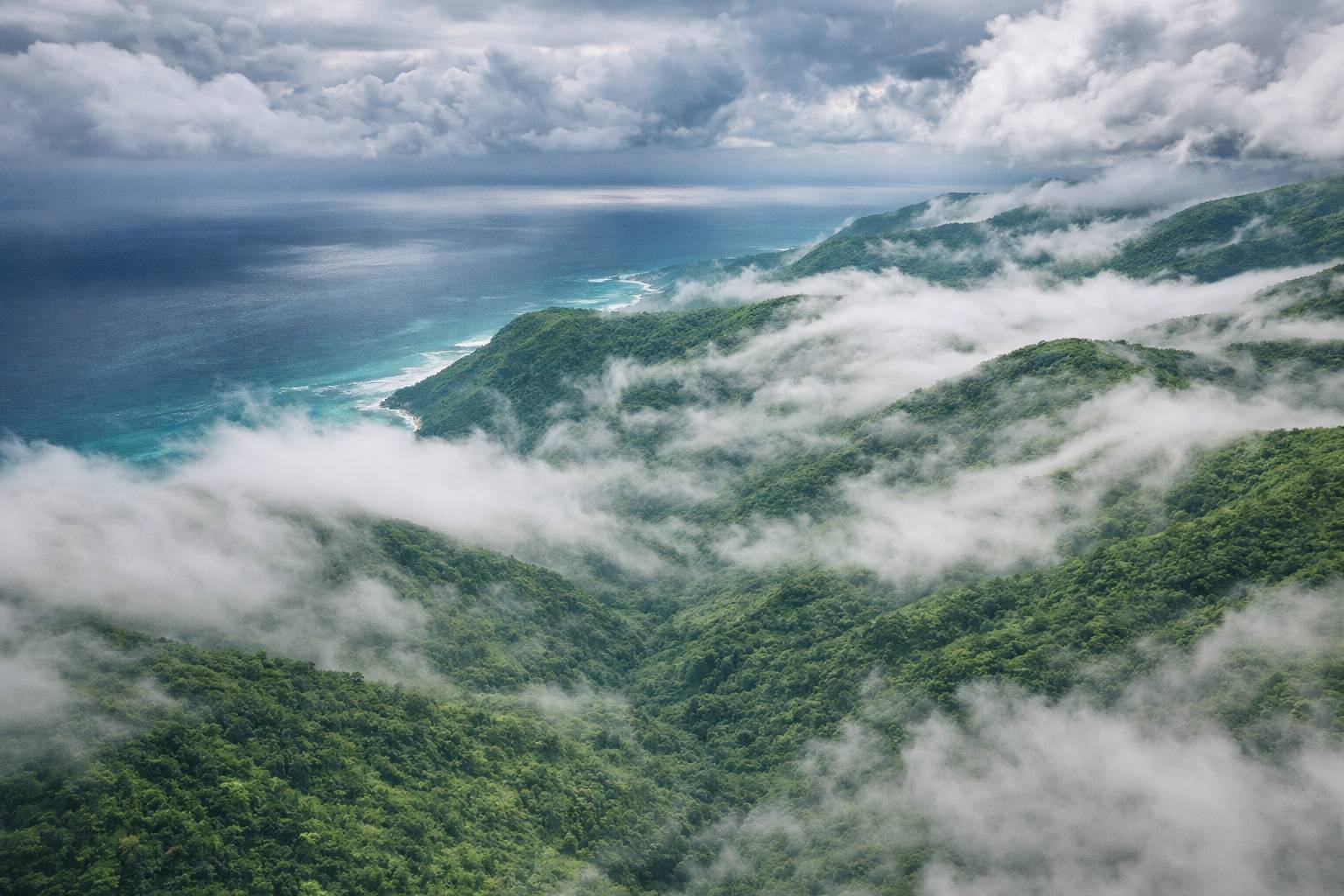
When the rest of the Gulf bakes, Dhofar turns green. Mist, waterfalls, and cool mountain air over Salalah.
Overview
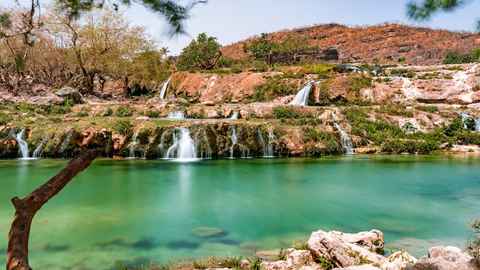
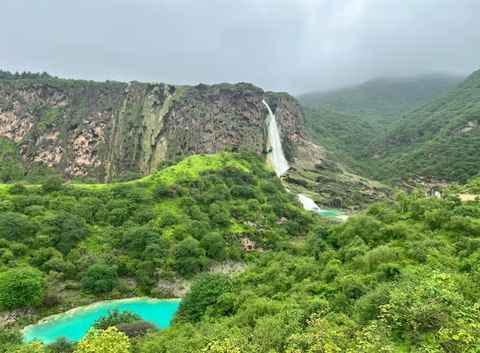
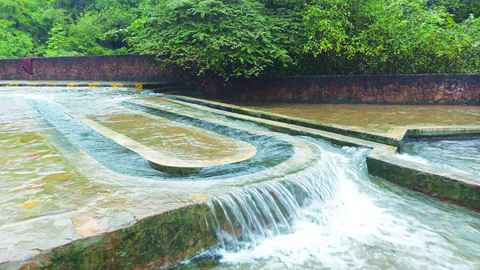
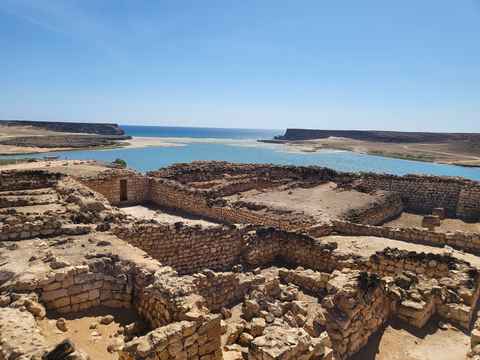
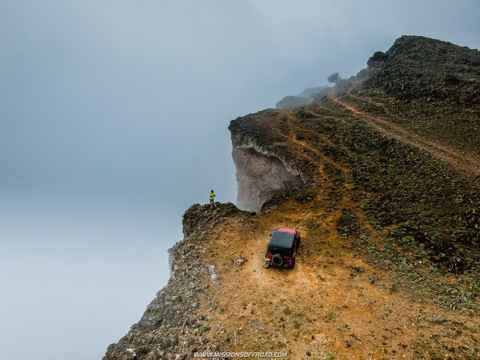
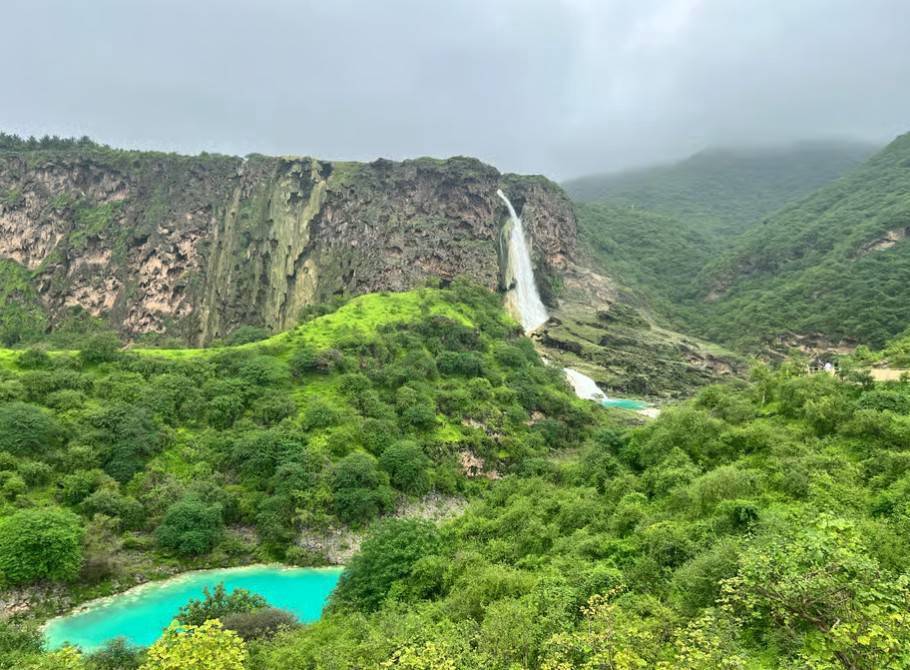
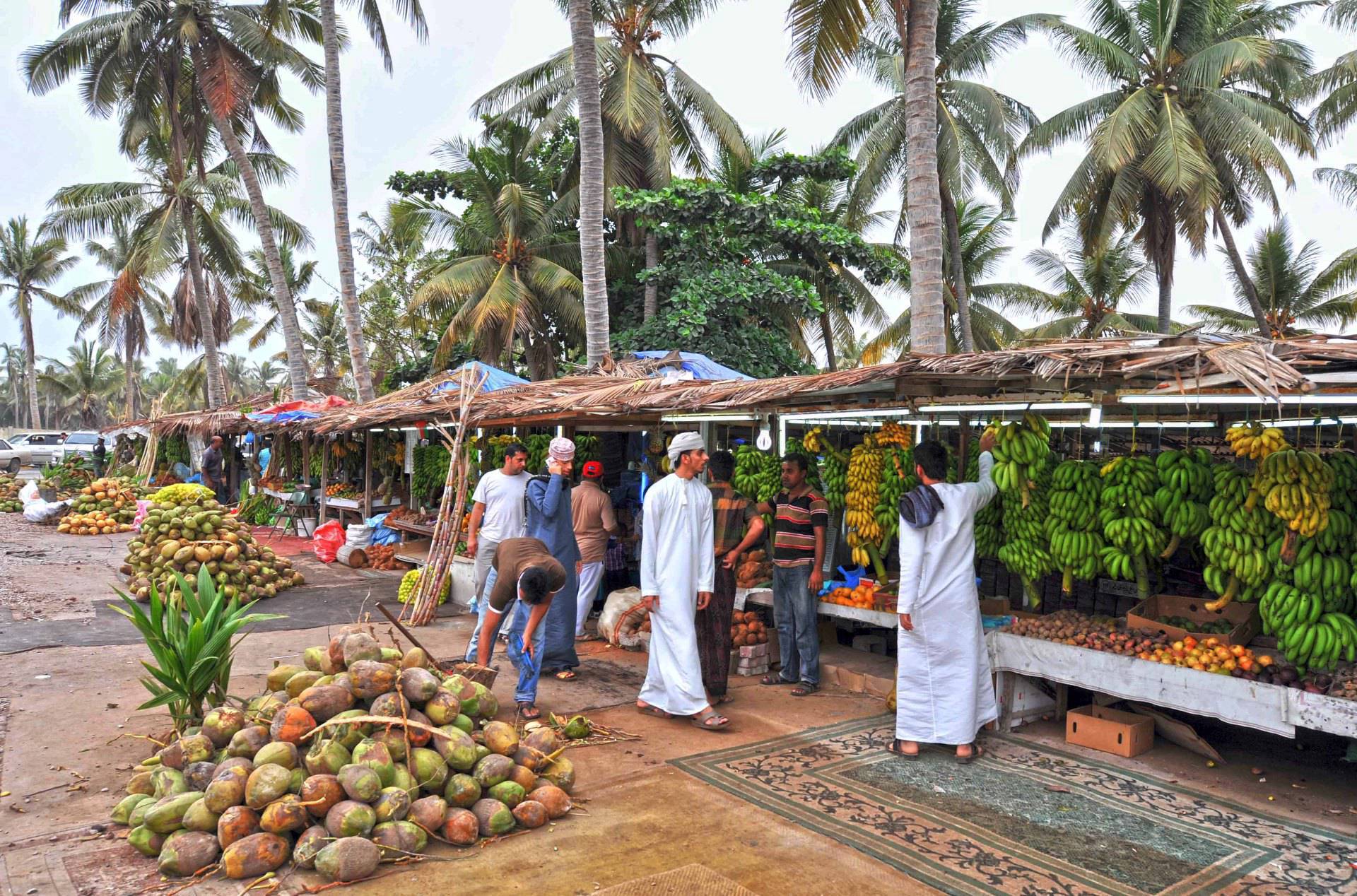
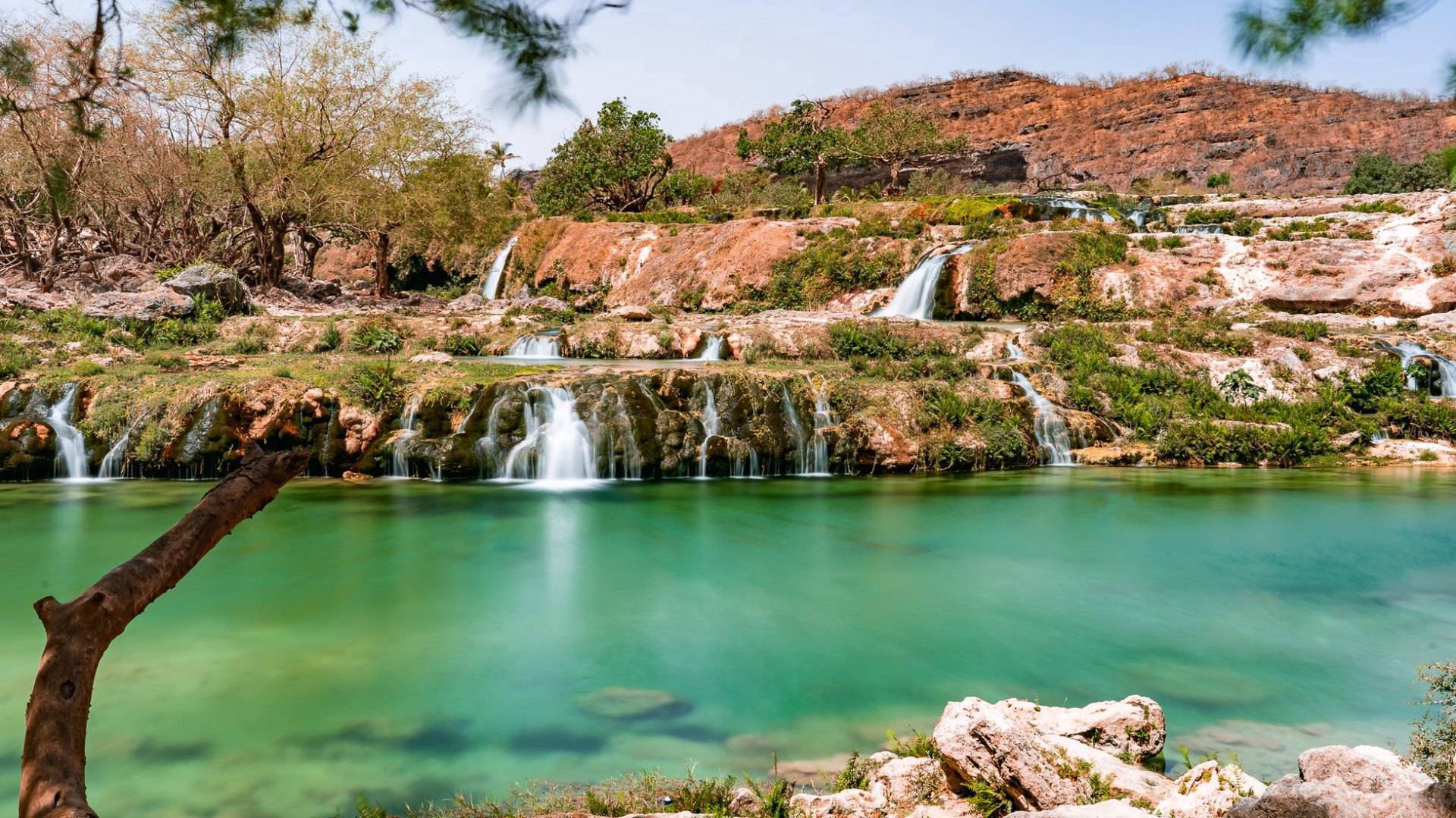
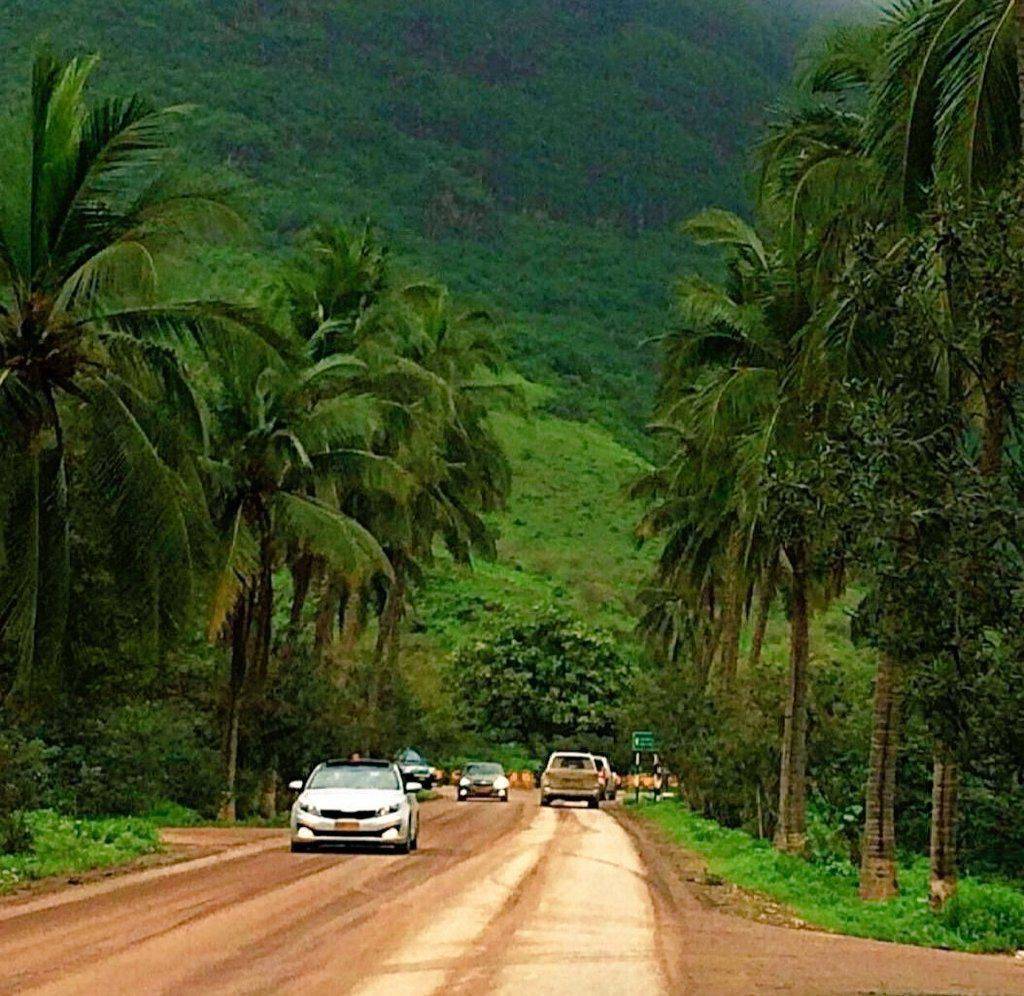
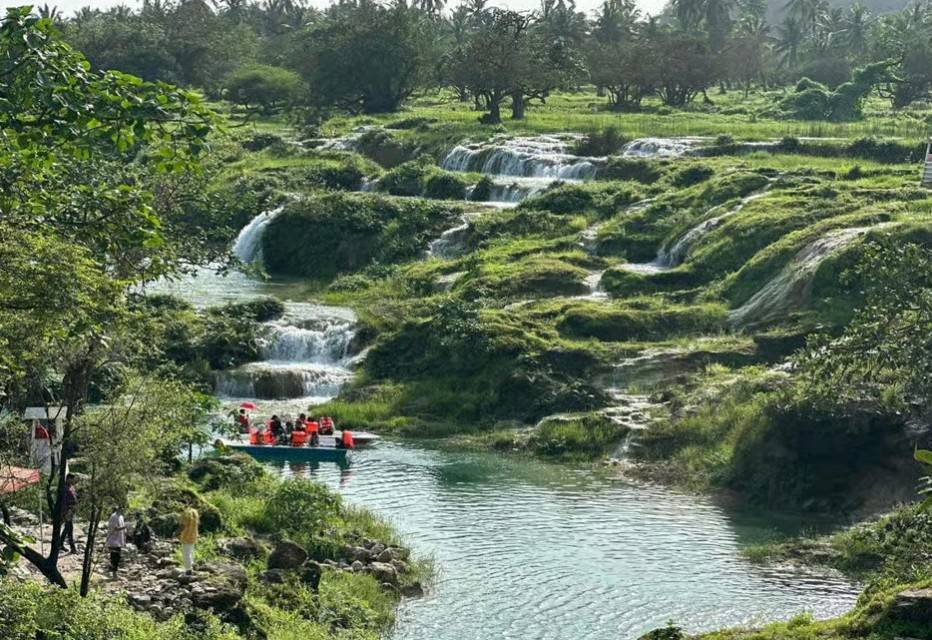
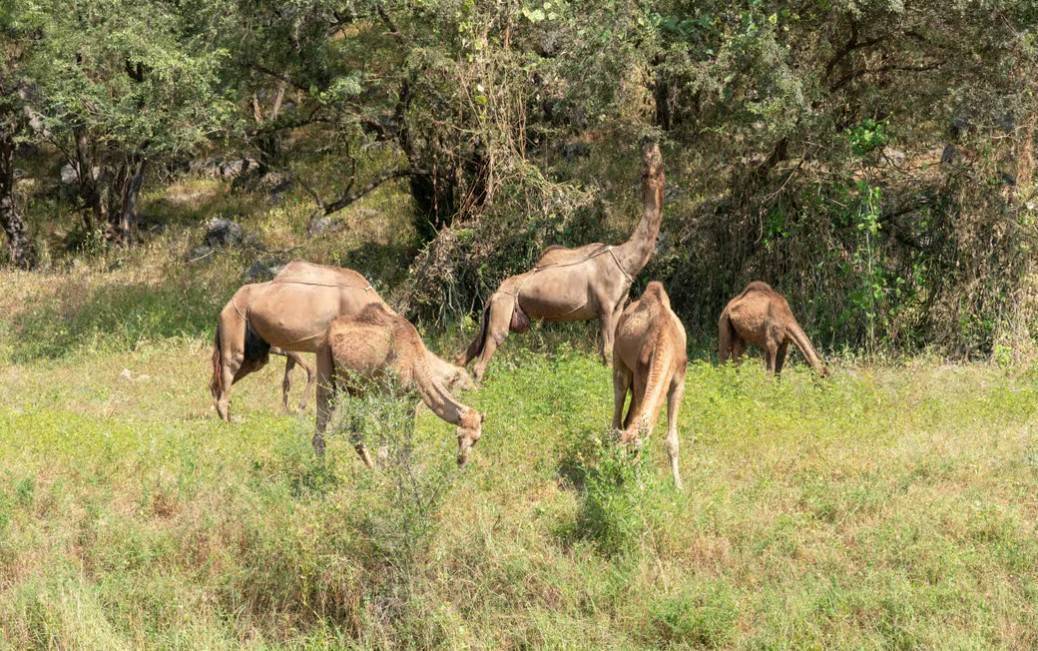
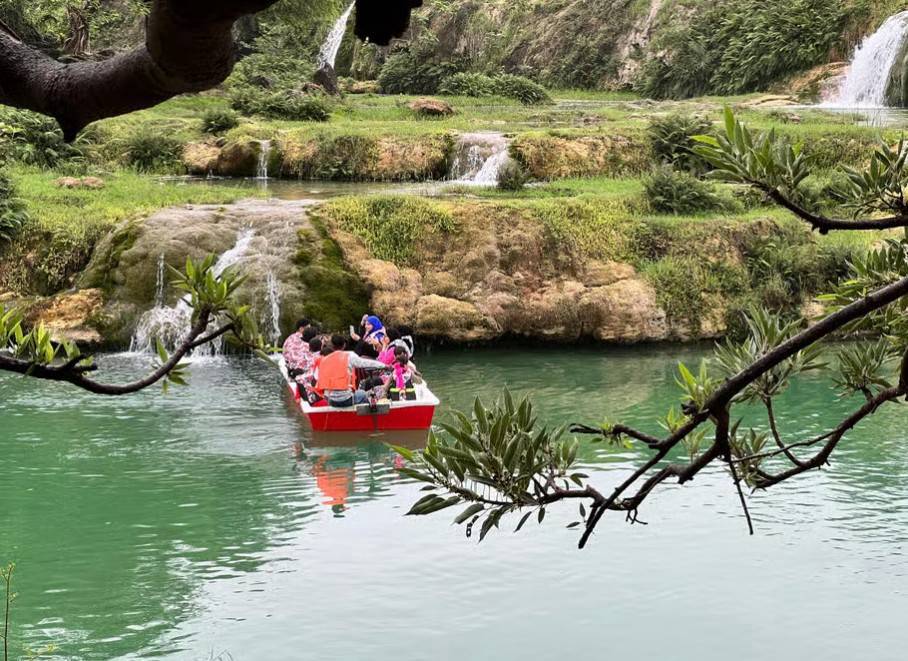
For roughly three months from late June, the monsoon draws a band of cloud across the mountains of Dhofar and Salalah wakes to something no other corner of Arabia sees in summer. The Indian Ocean monsoon, the khareef, wraps the coast in soft drizzle and mist, and the bare limestone slopes of Jabal Al Qamar and Jabal Samhan turn a deep, sudden green. Seasonal streams fill Wadi Darbat, waterfalls run at Ayn Athum, Ayn Khor, and Ayn Sahalnoot, and the air holds a steady, unhurried coolness while the interior of the Peninsula sits at its hottest. It is Oman's flagship season, and for good reason: coconut and banana plantations along the coast road, the frankincense heritage of the old caravan country, camels grazing on green hillsides, and evenings cool enough for a jacket. Salalah fills with visitors from across the Gulf and beyond, yet the mountains stay wide and quiet enough to feel like a discovery.j
What to expect
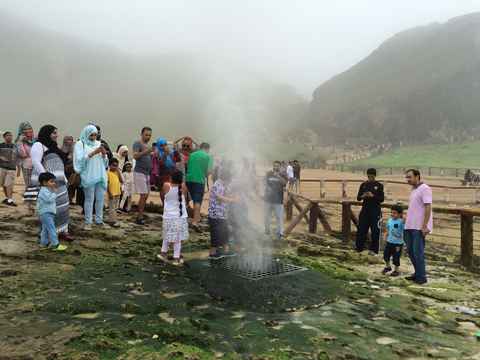
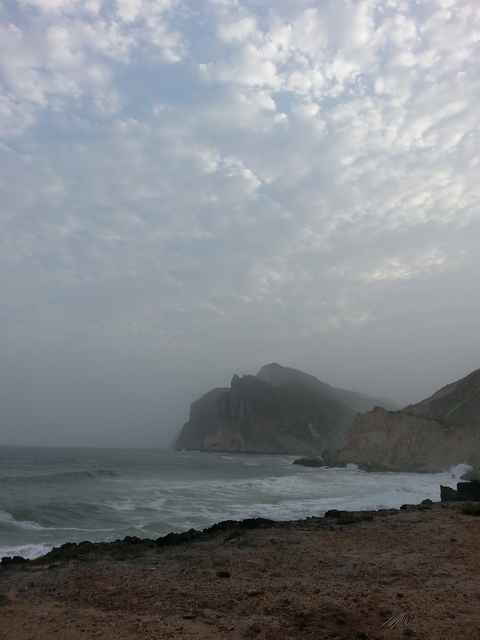
Expect cool, damp weather rather than sunshine: daytime temperatures often sit in the low to mid twenties Celsius, with low cloud, fine drizzle, and mist that can settle over the higher ground for hours. Mornings and late afternoons are the clearest windows for photos before the cloud rolls back in. The mountains are at their greenest, Wadi Darbat runs with water and is busy at weekends, and the coastal waterfalls are flowing. Roads to popular spots like Wadi Darbat, Ayn Athum, and Jabal Samhan can be slow and crowded on Fridays and public holidays, and mountain tracks may be slick with mud and runoff. The sea along the Salalah coast is often rough during the monsoon, so beaches are for walking and watching the surf rather than swimming. Pack for changeable weather, keep a light layer within reach, and plan popular sites for early in the day.
Best for
Ideal for travellers escaping the peak Gulf summer heat, families looking for green open spaces and easy nature days, and photographers chasing mist, waterfalls, and low cloud over the mountains. A strong fit for slow scenic drives along the Salalah coast and up into Jabal Al Qamar and Jabal Samhan, for anyone drawn to Oman's frankincense and caravan heritage, and for couples and groups who want cool weather and long, unhurried evenings. Less suited to beach swimming and open-water sea days, which the monsoon swell rules out along the Salalah coast.
Tips
- Book accommodation early. Salalah is the region's busiest season and hotels fill weeks ahead. - Bring a light waterproof or windbreaker and shoes with grip; mountain paths get muddy and slick. - Visit Wadi Darbat, Ayn Athum, and other popular spots on weekday mornings to avoid the weekend crowds. - Drive carefully on mountain roads: mist cuts visibility fast and camels often wander onto the tarmac. - Do not rely on beach swimming; the monsoon sea is rough, so enjoy the coast on foot. - Carry cash for small roadside stalls selling coconut, bananas, and fresh produce along the coast road. - Respect local customs and private plantations, and take your litter with you to keep the green season clean.